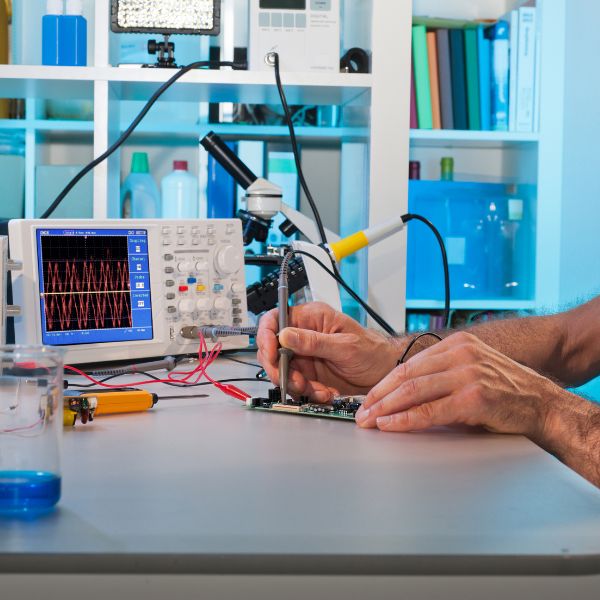
Integrated Circuit (IC) testing is a crucial aspect of the electronics industry. These tiny chips are fundamental to the operation of numerous electronic devices, and their performance must be meticulously scrutinized to ensure optimal functionality.
What is IC Testing?
IC testing involves examining an integrated circuit to determine its operational condition. This testing can be divided into two levels: wafer-level testing and package-level testing. Four general tests can be conducted to check the IC’s condition: shorting condition, leakage condition, supply conditions, and input and output conditions.
How to Test an IC?
Testing an IC involves a series of steps. Firstly, physical observation of the IC is necessary. Any visible cracks, burn marks, or broken sides could indicate a faulty IC.
One standard method of testing an IC is using a multimeter. This tool allows for a comprehensive evaluation of the IC’s performance. To do this, all the pins on one side of the integrated circuit are connected to one of the test probes of the digital multimeter, and each hook is tested.
Another method involves evaluating the IC’s performance in the circuit before soldering it to the PCB. This allows for online checking and judging.
Reading an IC
Reading an IC involves reading the serial number from the top side of the IC. This number can then be entered into an Internet search engine to obtain specific information about the IC.
Conclusion
Understanding IC testing is vital for anyone involved in the electronics industry. Whether you’re a professional engineer or a hobbyist, knowing how to test an IC will enable you to ensure the devices you’re working with are in perfect working order.